India
I recently returned from a two-week trip to India and I’ve written some thoughts about it below. . This isn’t a comprehensive review of India; it’s just my experience as a white male. I believe India often gets a bad rap on Western social media. This is partly due to ignorance, partly to social and cultural differences and mostly because people seek engagement. This isn’t about engagement.
India is a world unto itself. It combines religion, technology, inventiveness with a few bad decisions.
The result is something that seems strange to westerners - there are thousands of instagram videos that people will take conclusions from, and whilst some of them are correct - it does not mean that the existence of these things (wildly prepared street food, rubbish, odd sexual behaviour) excludes their opposites (incredible food, impressive nature, great hospitality).
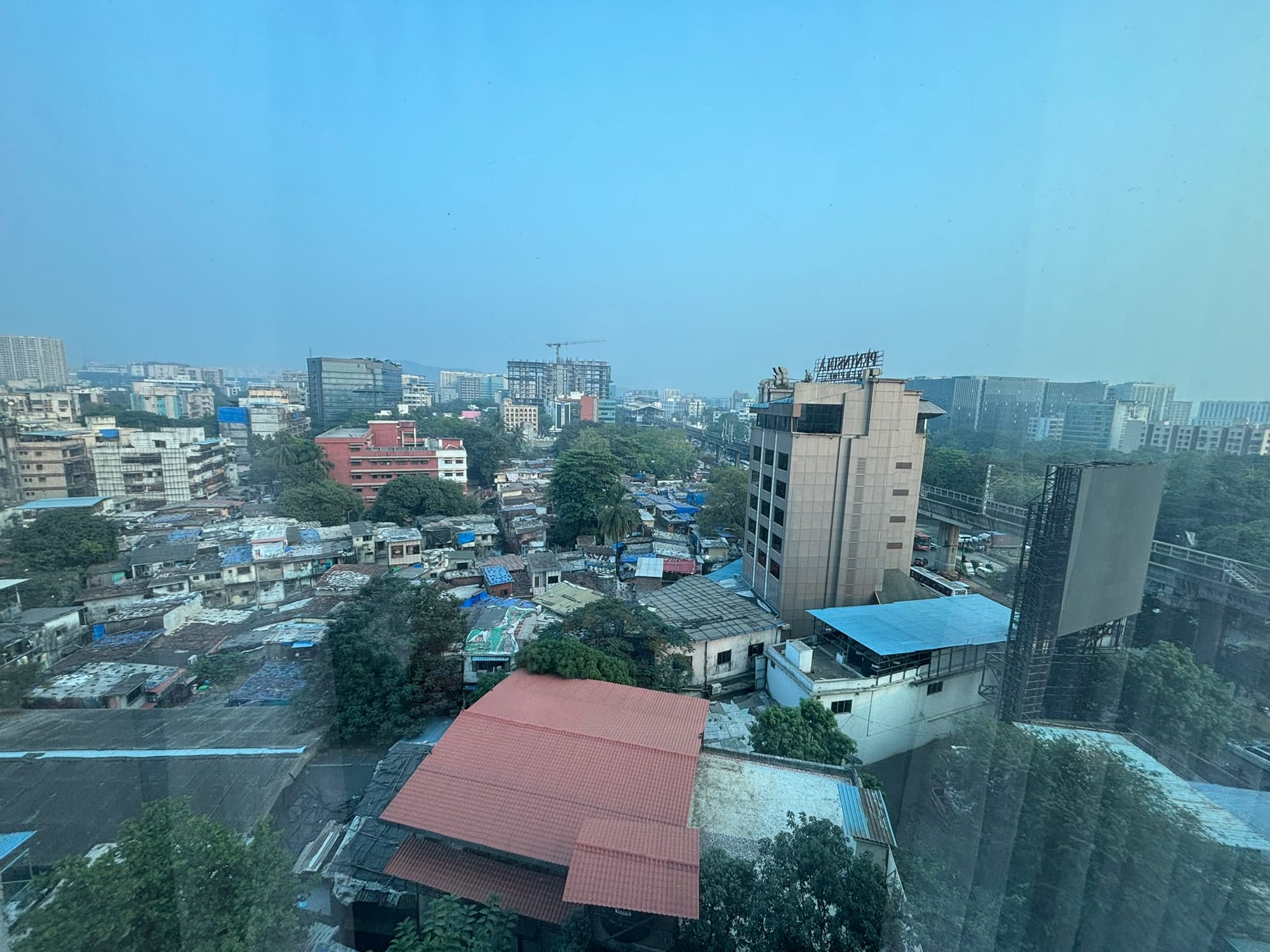
In India you will find luxurious neighbourhoods, luxurious hotels with incredible experiences, whilst just outside, a few meters away there will be no foot pathways or pedestrian crossings, on roads that are otherwise filled with stalls, bazaars, homeless people cooking and scammers trying to sell you anything you can think of. It is a developing country after all. The hospitality is incredible, and this is propped up by a culture of servitude. It’s hard to describe until you experience it. No wonder Western European countries had a hard time letting go (no more colonial jokes from here on, they aren’t funny).
India is a vast country so if you’re visiting it’s best to focus on a few areas. Rushing through it won’t give you a proper understanding of life here. I visited a small part of western India, some of the south and a few overseas territories. You’ll have a vastly different experience in each. India is almost as large as Europe and has triple the population. About two-thirds of that population is located in the north, so the south of the country will be a different vibe. Each state (28 of them) may have their own script & language, and people from different states may not understand each other.
Depending where and when you’re visiting, within the place you’re visiting you will find many subdivisions, with no clear delimitations other than the folk that live there - the poorest are people living in the streets. The second poorest, are the servants of the rich; there’s a mix of middle class people who are either in business or living a corporate life. The rich live very well, but they are often times dependent on the aforementioned second poorest for chores and housework. Wealth inequality is extremely noticeable. It makes me wonder what would happen if the caste system (which dominates the culture unfortunately) disappeared, and the many people stuck under its backwards grip stop being exploited and start contributing to the economy in a more serious manner, rather than being servants and being relegated to low paying labour that can be dealt with by technology and better implementations. I think India would become a leading superpower in one or two decades at most. Unfortunately, the caste system does not seem to be going away any time soon, despite what people may claim; India is too busy with religious and cultural wars to focus on its strengths.
There is no secret that India is heavily polluted. Most polluted cities in the world tend to be in India. It is hard to understand how polluted it is until you reach here and you explore a bit. There’s a level of smog at pretty much any time of the day in the central and northern parts of the country. You will very often find rubbish near or on amazing nature, sides of a highway, rivers, random places. The public roads can be dirty, yet the nicer “societies” (Indian English for private neighbourhoods, where street view won’t reach) are very well cared for, with no litter in sight.
The traffic can only be described as insane in certain areas, and this goes on for most of the day - at night you will find clear roads, given that you are not in cities like Mumbai or Dilli. There is no concept of lanes - they are drawn, but they are there for ornamental reasons more or less. You’ll find 5-6 vehicles by each other on a 2 lane road very often. It’s not uncommon to drive on the wrong side of the road either, and the tendency is to squeeze in no matter what you’re driving. The tuktuks (referred to as Autos or rickshaws) and scooters rule the road - cars whilst convenient to shield away from the heat and pollution, can hardly be parked anywhere. Pedestrians will cross the road anywhere, and whilst it feels like you’re in danger every step of the way - it all works out, somehow.
Before we move on - I want to underline that despite the multitude of videos showing unhygienic ways of preparing the food, not a lot of people opt for those meals. They are cheap for a reason, even for India. There’s a lot of ragebait, as showing a cheap, good meal from a restaurant (or any kind of well reputed eatery) won’t really gain any clicks or views. If you visit India, don’t eat from street food stalls. Use your brain. There’s loads of dust, rubbish and pollution on the street - if you are visiting as a tourist, don’t try to live the life of the poorest in India by eating from these food stalls. You will get diarrhoea at the very least.
Also, a few more things to mention - if you’re a white woman thinking a solo trip to India is safe - don’t. The sexual repression due to religion and culture has lead to Indian people thinking all white women are whores ready to have impromptu sex on the streets. It’s not safe. Even as a white man, I’d still recommend travelling through India with the help of a local - it will make things a lot easier, as most people are not used to foreigners and Indian English is a bit different than most other flavours of English. They also like to mix local languages in their speech, and these are not languages you can pick up on a weekend course.
Let’s talk about Maharashtra - I visited Mumbai and Pune, both are located in the west side of the state. Both these cities have a combined population of about 21 million people. Pune (7th for surface area, about 3 million population, ranking 9th) covers more land than Mumbai (13th for surface area, about 18 million population, first in the country) but has fewer people. I mention population because these two cities put together host more people than a large number of European countries. Pune is more of a hilly town with dry heat, whilst Mumbai is wet, with a lot of humidity.
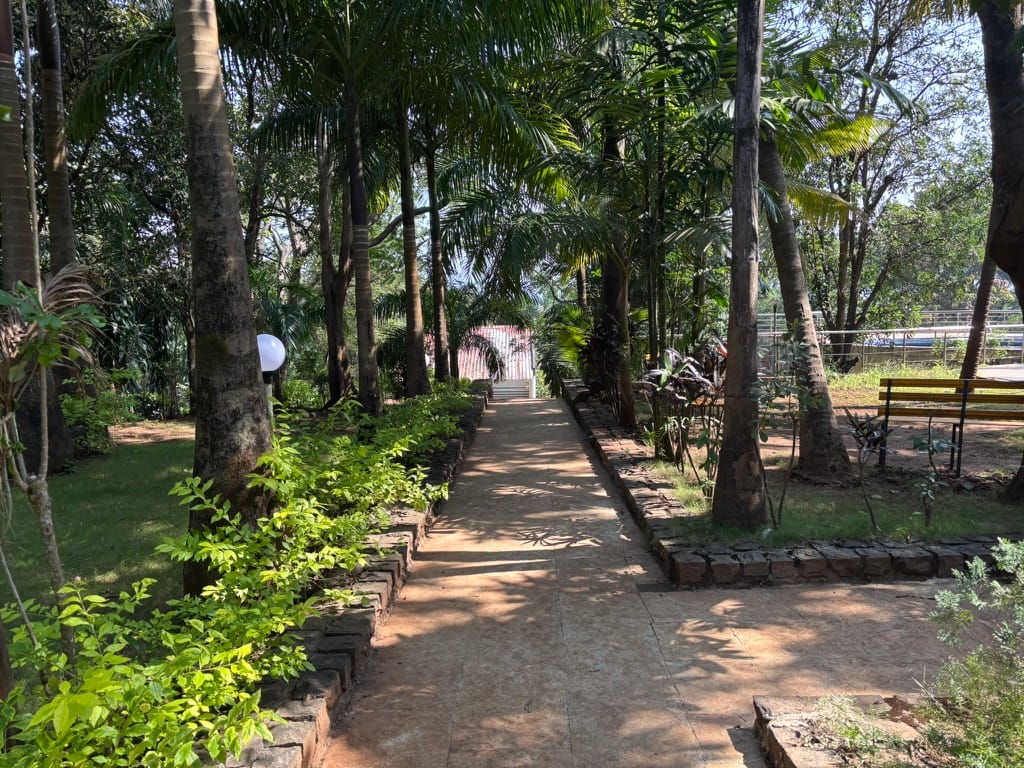
Pune and the surrounding rural areas are thoroughly littered - unfortunately, it’s not a nice look. There is a thick layer of dust/smog - I visited a month or two after the monsoon has ended so this did not help. The people are very kind, unless they are driving, in which case all the kindness and understanding go out the window. This seems to be a recurring motif with Indian people.
Life is relatively cheap, especially for a westerner. I highly recommend some clothes shopping, as most of these clothes get exported to western countries for 10-15x the price.

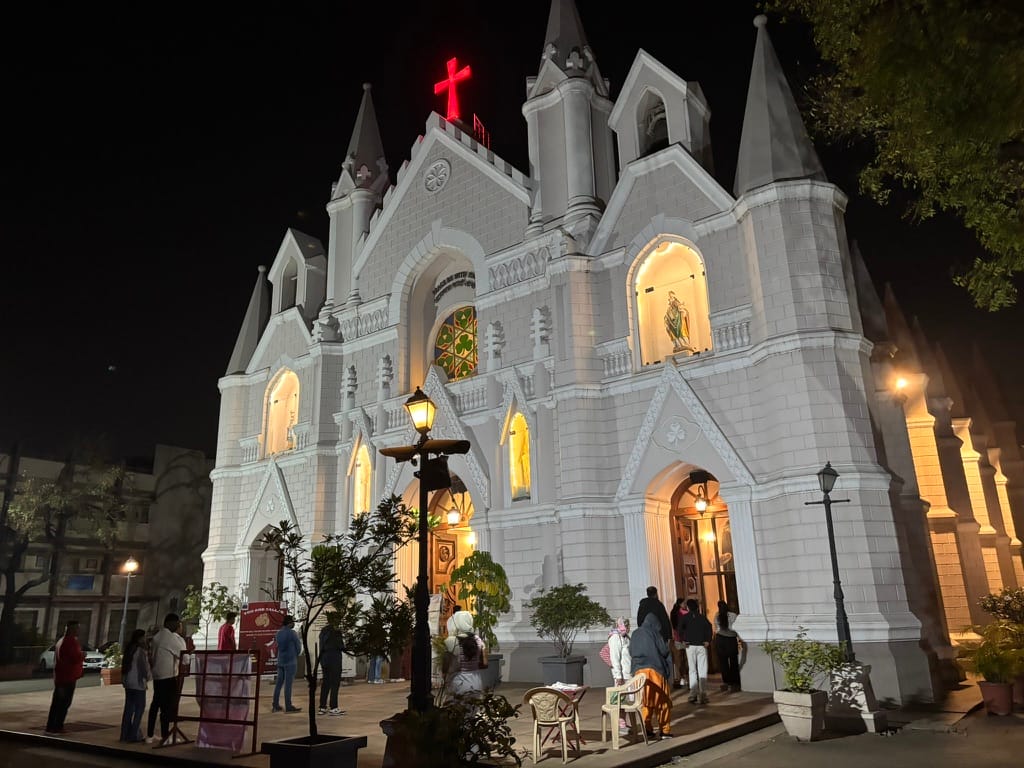
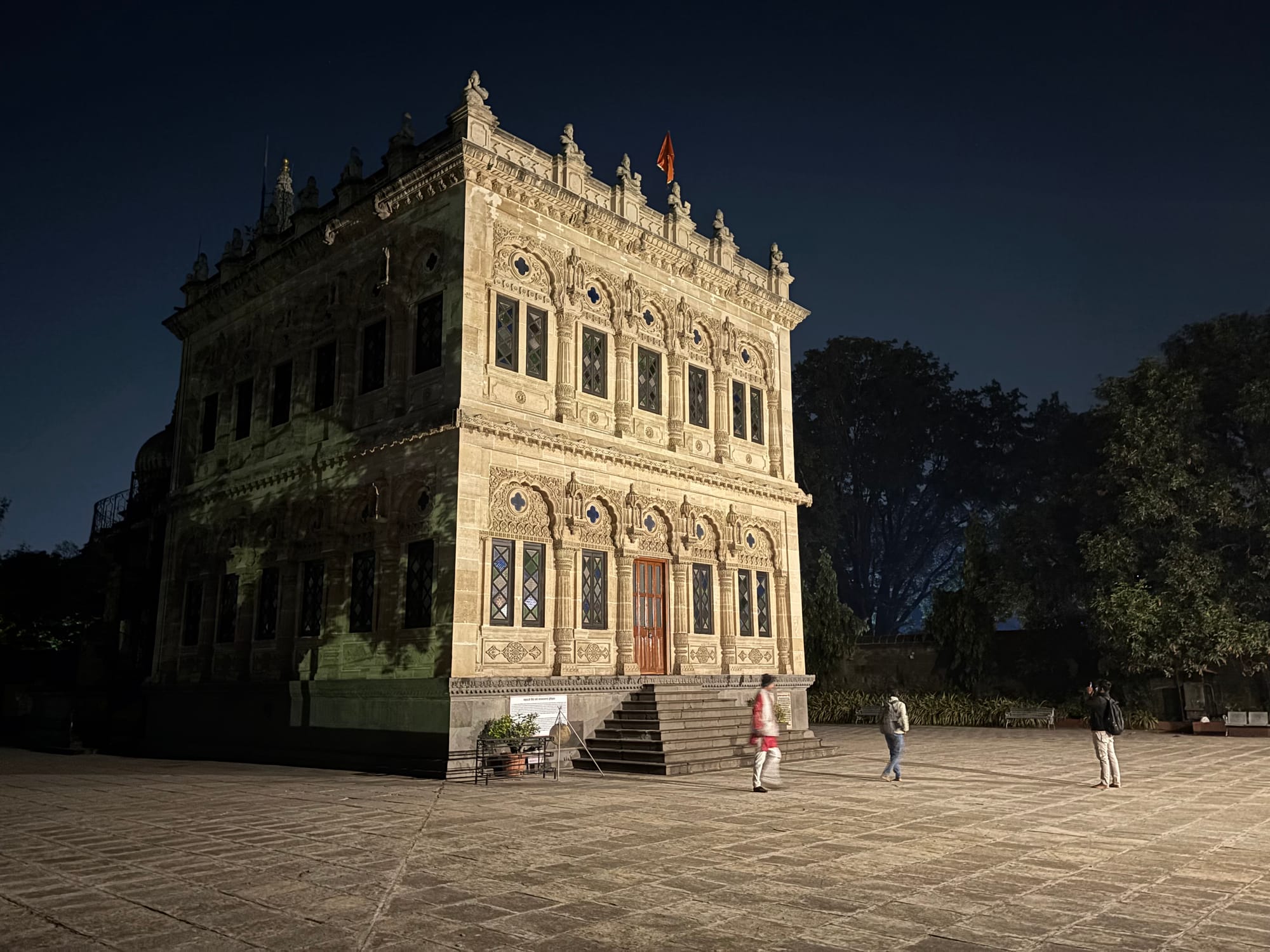
Visiting Hindu temples is a nice experience - and you’ll find a bunch of temples, mosques, churches - all very interesting experiences to go through, even if you are an atheist like myself. Be respectful, and you will also be respected - but accept that if you’re white, you’ll probably attract a lot of attention. There are loads of malls with nice facilities and shops. One thing I’d highly recommend is having a Jumbo Burger from the locally famous “Burger King” (not the franchise) - it’s cheap, probably could qualify as street food, going against what I recommended above - but god damn it, it’s really good.
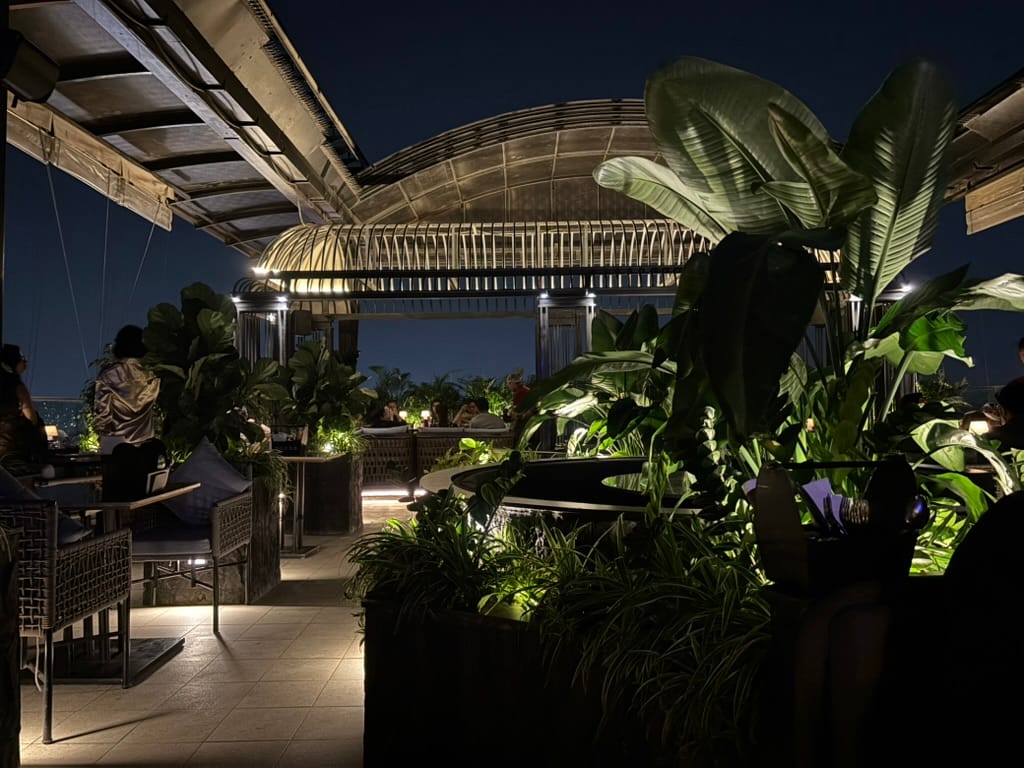
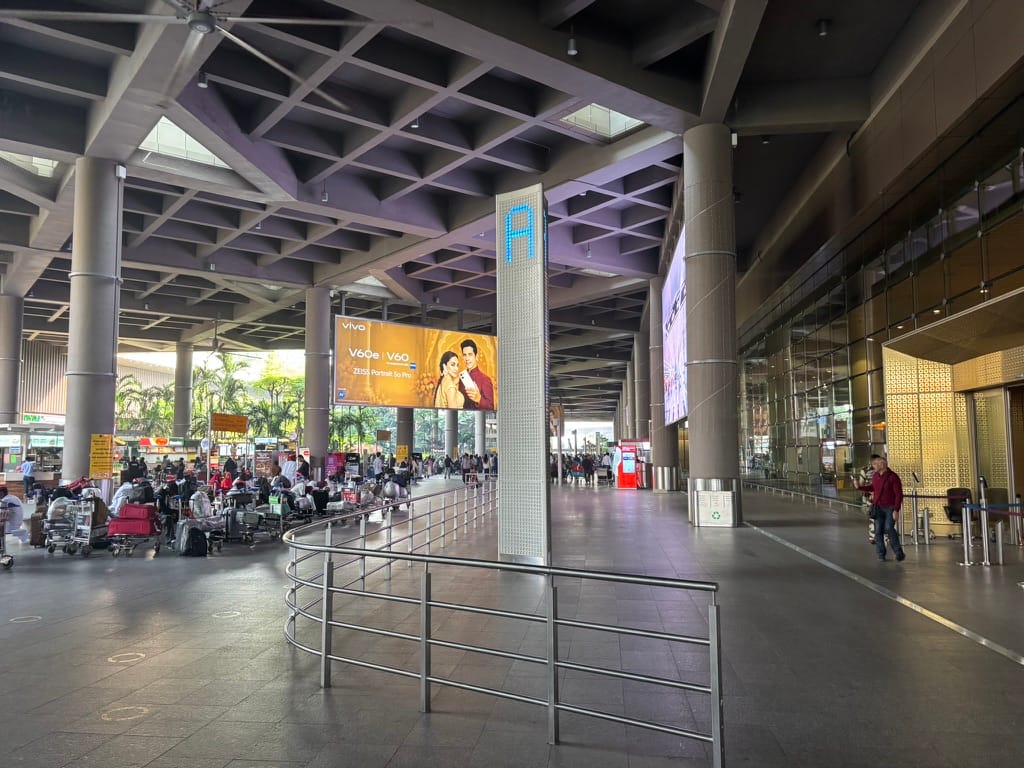
Mumbai is your busy city, like London, Paris, or Berlin - its traffic is infamous, it has loads of rubbish, hustlers, impressive infrastructure, and is perpetually busy - it is split into different neighbourhoods which can provide very different experiences. There’s a lot going on in this city and I can’t say that I have spent enough time to properly form an opinion on it - so I’ll be short on details. The infrastructure is very confusing - there’s are flyovers to drive through but no clear directions to where they lead. Google/Apple Maps can be a lifesaver, but a local is probably better. I haven’t used the public transport, however there are buses, metros, monorails and local trains, in addition to taxis and Autos.
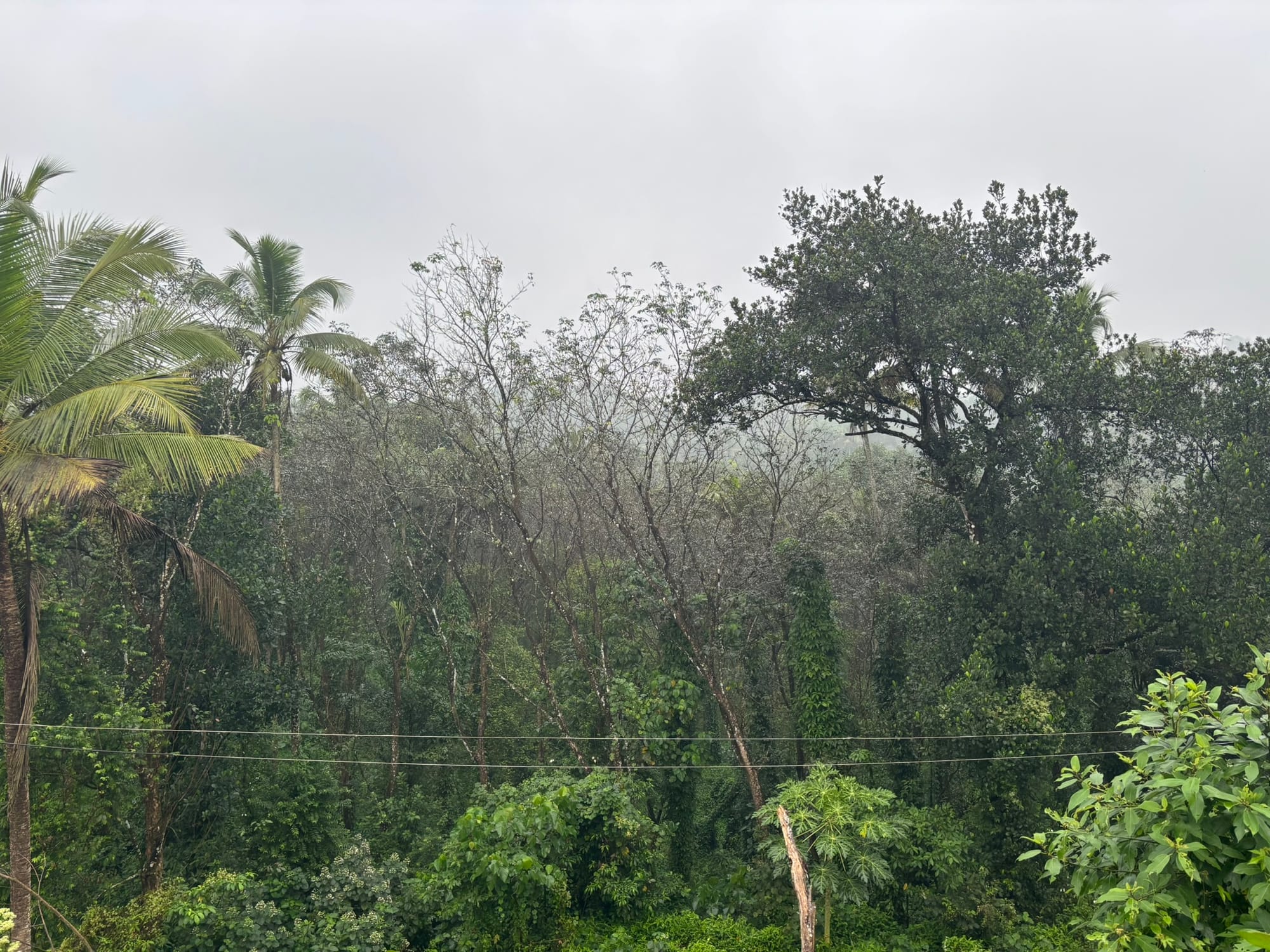
Moving to the South of India - specifically Kerala - what a different experience this is.
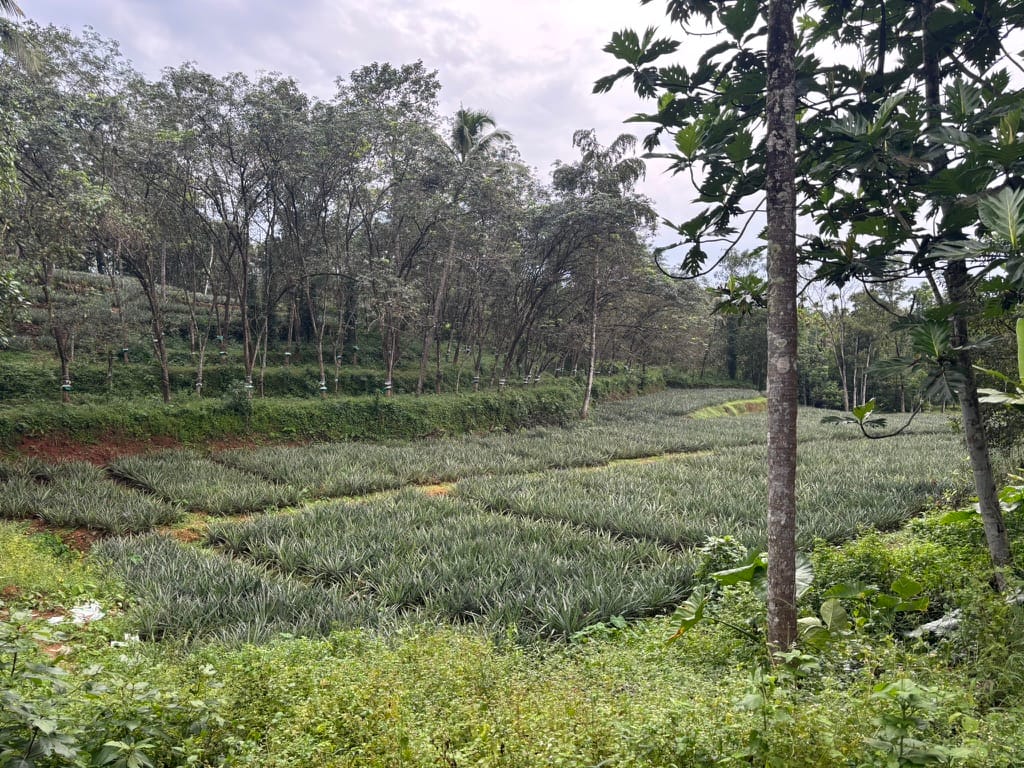
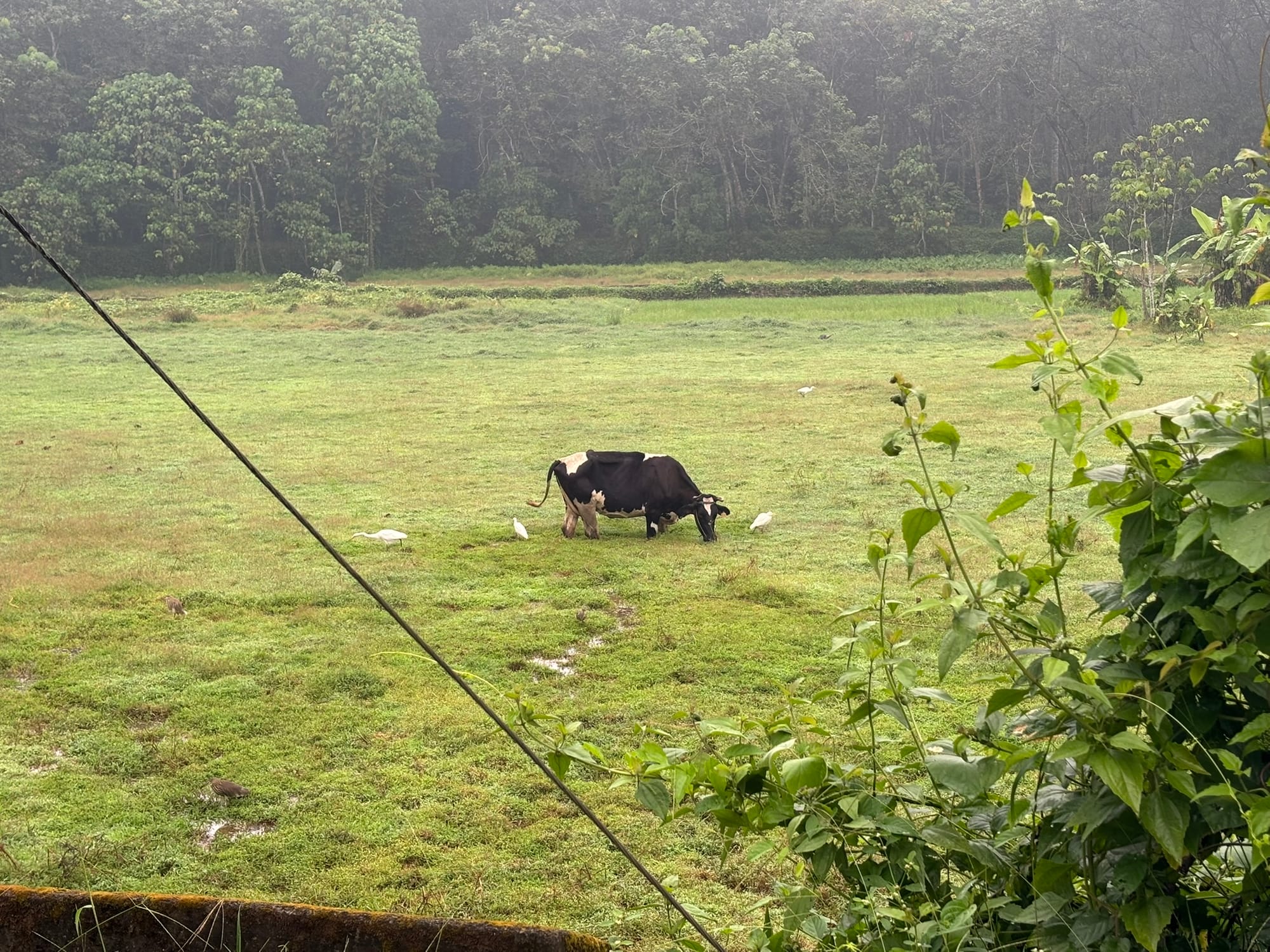
I have been to Cochin, and for a more rural experience - Koothattukulam. There is still some traffic, a lot less rubbish - far more humidity, and a deep, deep jungle. Absolutely breath taking nature just about an hour drive away from Cochin. You won’t find as many food stalls, hustlers, or as many people. You won’t see as much rarebait being filmed here, for good reason - there’s not much to rage about. It’s an impressive place, where the heat, humidity and jungle make you feel respectful of the nature you’re witnessing. This is not a place for people that can’t stand hot weather, and it’s not at all similar to Maharashtra. People seem to be more educated and there’s a surprising amount of Christianity going on - not the European flavour, but something unique to this place, maybe more similar to African Christians than anything else. I highly recommend Kerala as a destination - but come prepared with sunscreen, water and patience. You’ll find rubber plantations, pineapple plantations, impressive estates, all scattered through a thick jungle, populated with all the animals you’re probably afraid of (I know I was).
My next destination was the Andamans island - but to get there from Cochin, you’ll have another stop in Bangalore (or a different large city). I can’t really give an opinion over something I’ve experienced at the airport - especially since everything went fairly smooth. One thing to mention that I have not so far - I come from the nanny states of Europe and I was surprised by the presence of armed soldiers in most public spaces like airports, train stations, malls, etc. - checking passports, documents and scanning people and vehicles at every checkpoint. Makes for an unusual tourist experience - and puts into perspective how much this country is going through regarding its internal security.
The Andamans islands are over the Bay of Bengal, quite far from mainland India - closer to Myanmar, Thailand and Malaysia. These islands are very popular with Indians as holiday getaways - and they are beautiful. Port Blair is the main city on the Sri Vijaya Puram island - and it is far less polluted than mainland cities. There is still some rubbish here and there - more than in Kerala, but less than Maharashtra. The nature is gorgeous, and the food is seemingly targeted at the audience as you’d expect. To my white man taste (I prefer very spicy, that’s not the issue), everything seemed sweet - which was not great. I understand these are the flavour Gujarati people prefer - not very healthy.
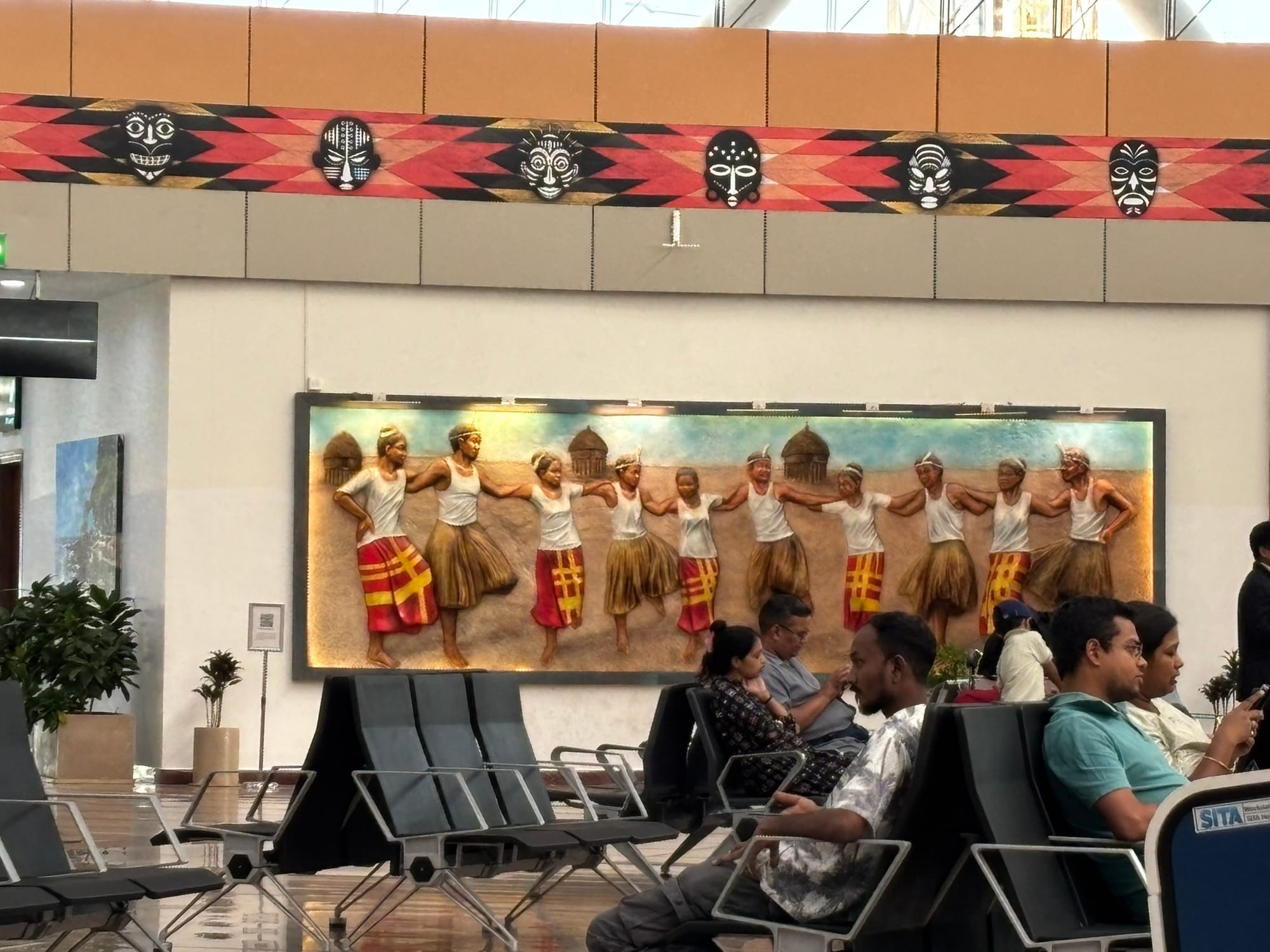
To note that the Andamans islands have a number of tribal people. The rules are pretty strict - if you meet them, don’t interact, don’t feed them or provide water, don’t take pictures, don’t intervene in their ways. You may have heard of the North Sentinel Island (west of Sri Vijaya Puram) where people go and never come back.
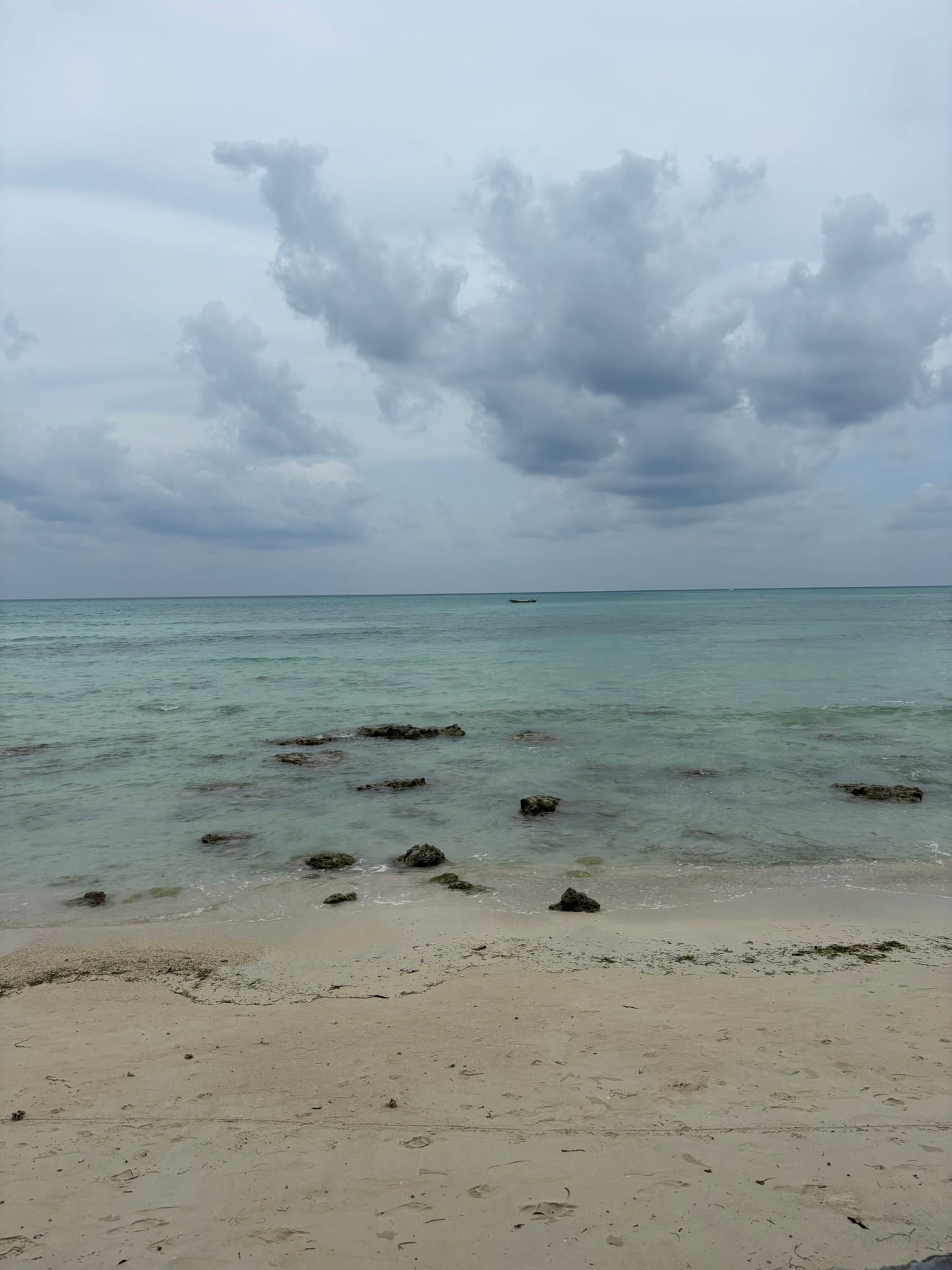
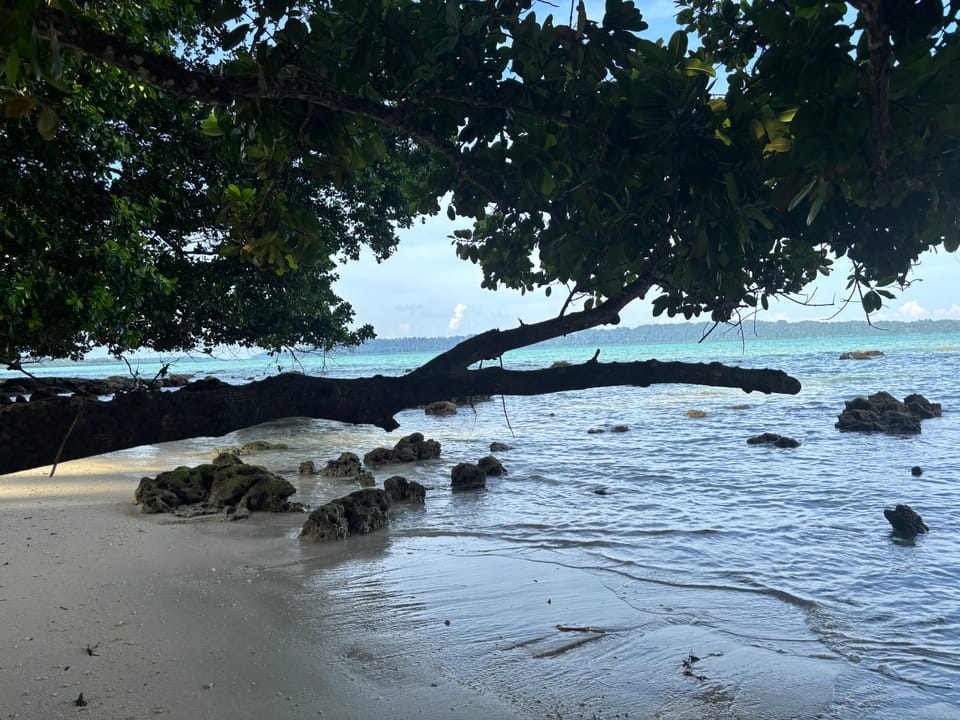
My main stay was on the Havelock (British name) or Swaraj Deep island. This is a stunning place, filled with tourists of all budgets, and all the drawbacks that come with it (traffic, rubbish, food stalls) - but the negatives are far outweighed by the sheer beauty of this place. The pictures speak for themselves. There’s plenty of touristy activities to do, like scuba diving, snorkelling, or just chilling at the beach drinking from a tender coconut. You can rent a scooter and find your own way (I don’t recommend this, refer to Indian people driving, above) - or get a cab for fairly cheap. There’s Kala Pathar Beach (literally Black Stone beach) on the east side, where you’ll find interesting stones and a nice, quiet beach - and the Radhanagar beach on the west side, which is by far the most popular, so quite busy - but also beautiful, and surprisingly clean.
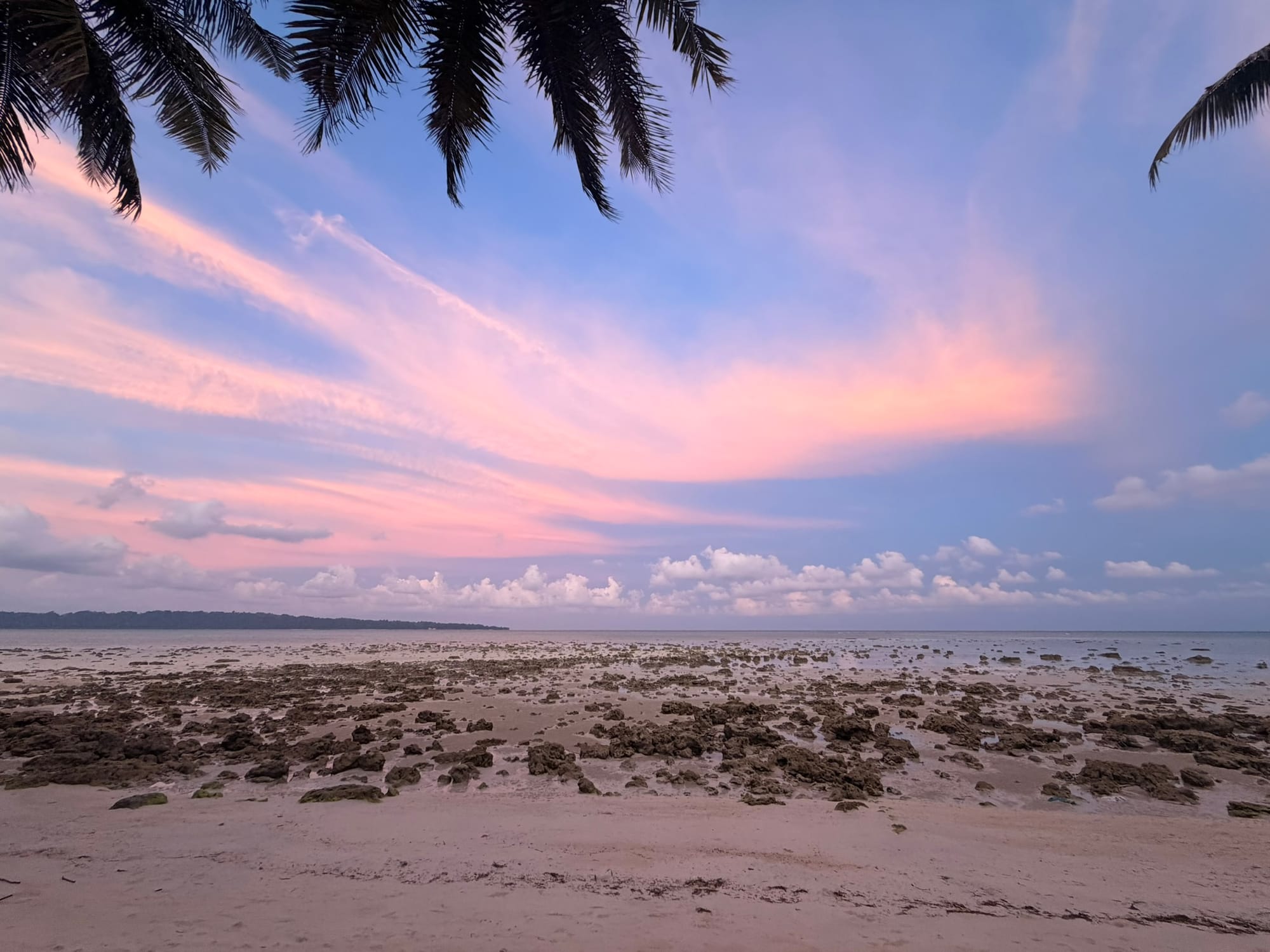
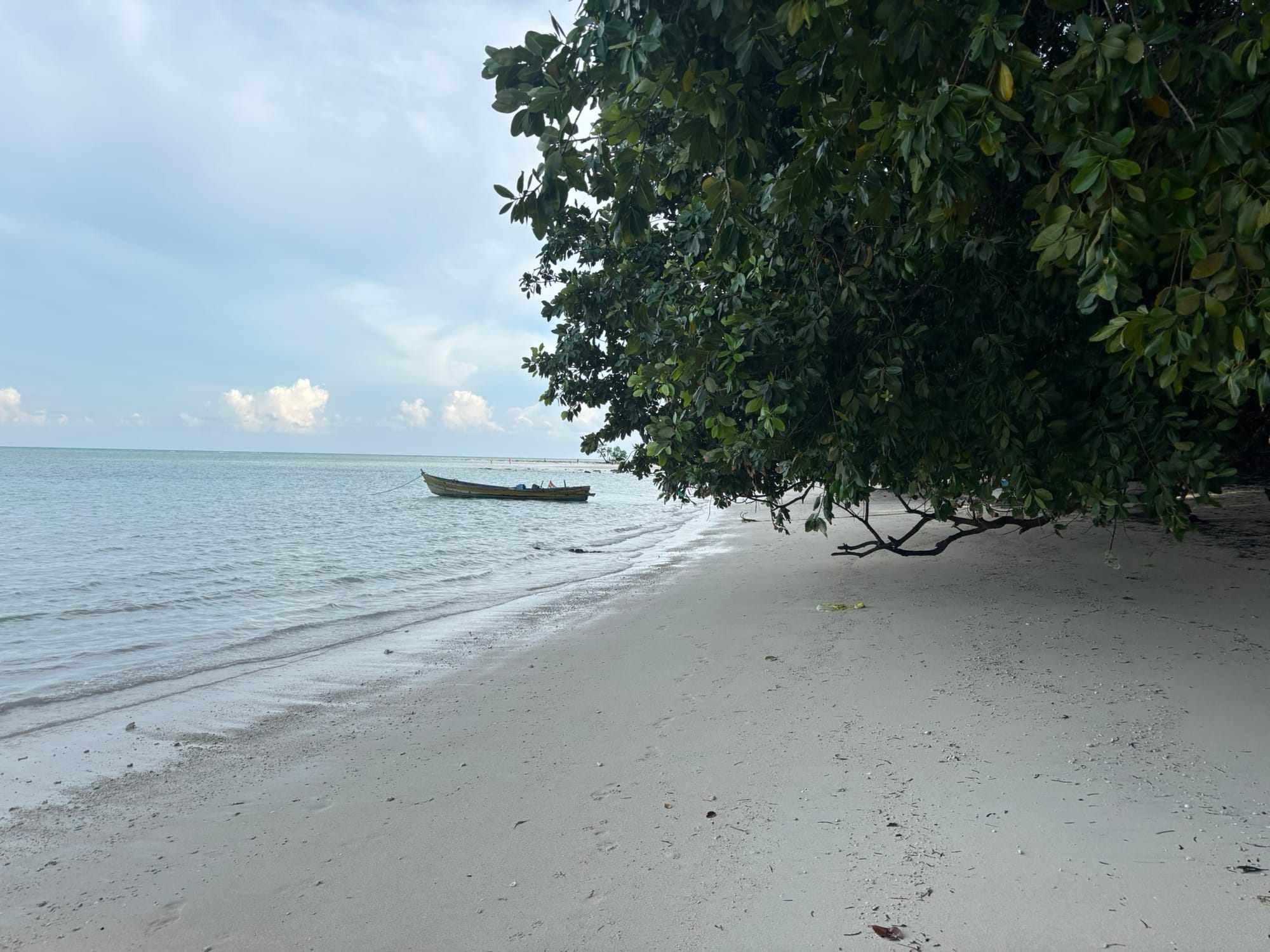
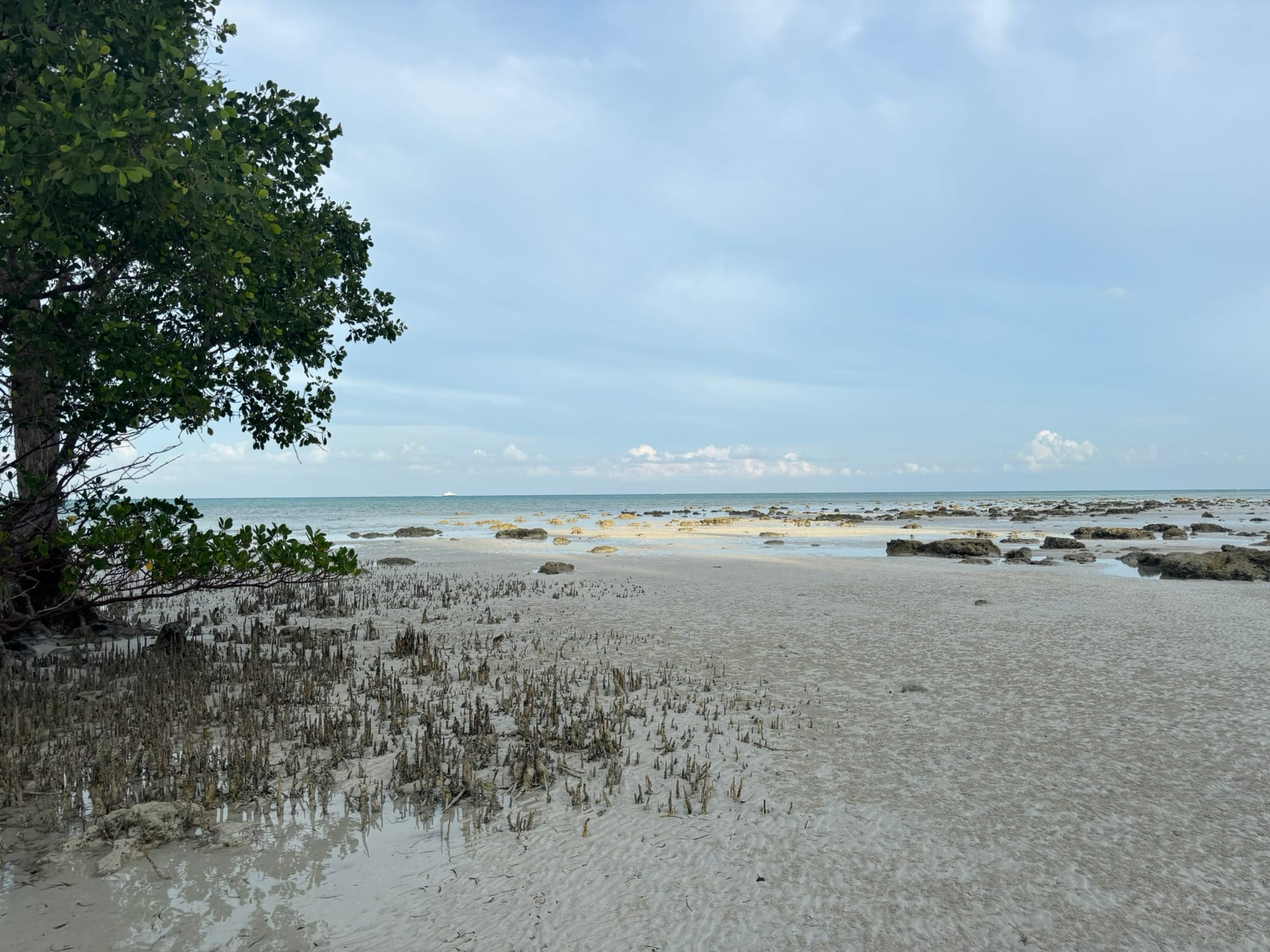
There are other islands to visit in the Andaman sea - all having a similar vibe. The blue, transparent waters give you a tranquil feeling you won’t get anywhere else in India. Nature is impressive - huge coconut and palm trees provide shade you can rest in, and pay attention where you’re stepping as hermit crabs like to get in your way.
Be careful with the hermit crabs.
I will not review all the places I stayed in - but I will recommend Coral Cove in Port Blair. The staff are wonderful - there’s a really good experience to be had here, with good food, good vibes, good music and staff that will go far out of their way to ensure you have a comfortable stay. There’s 2 restaurants in the hotel - Kai Lounge at the rooftop for live music, drinks and food; and Mariposa at the basement level for a fine dining experience. There’s also an excellent massage service well worth the money.

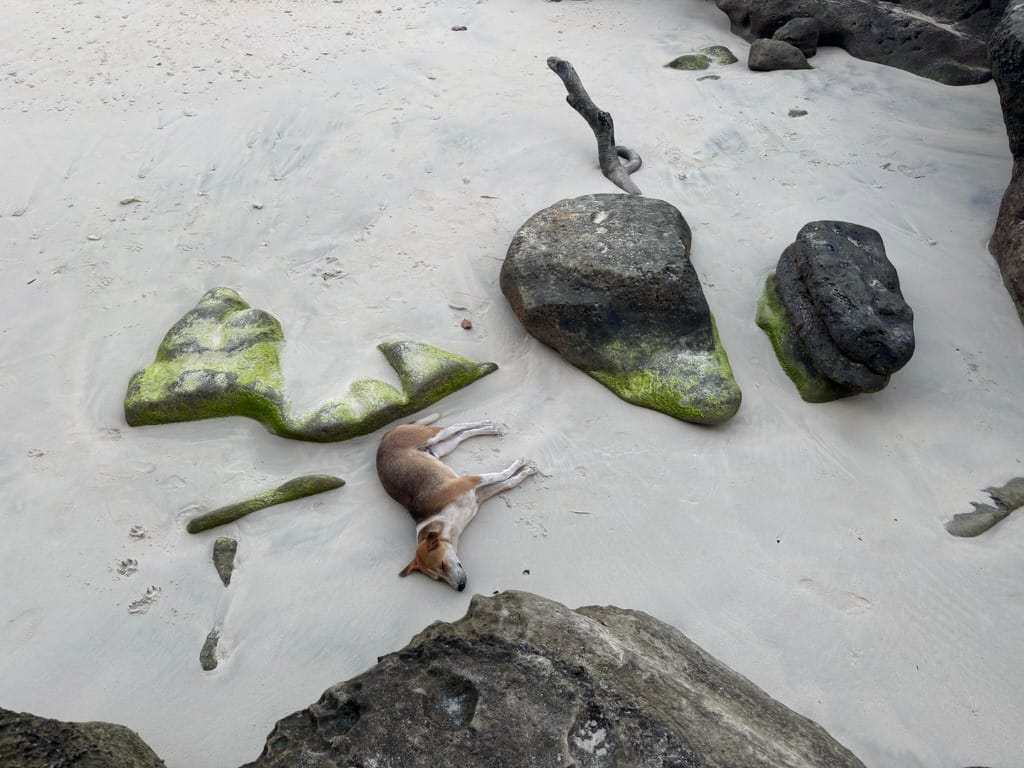
India is not for beginners, but it’s definitely not a terrible place to visit. There is a lot of value here - a lot to be explored and a lot to love. There are also things you probably need to stay away from. It’s a pretty wild place, and the most beautiful things tend to be out of the beaten path most international tourists take. Just follow the locals, you’ll be better off.

Member discussion